


Not A Cult Game
Not a Cult Game was created during the Blended Intensive Program (BIP) 2025 workshop, titled “Connecting Cultures, Gamifying Solutions: Collaborative Innovation in Action.”
Within this framework, our specific challenge was called "Threads of Connection". The task was to design a gamified experience that explores how people connect, influence each other, and form groups. Our team responded by designing a social card game that turns belief, trust, and persuasion into playable mechanics.
YEAR: 2025
TYPE: Workshop
TOOLS: Figma, paper
ROLE: Concept, Card Design
COLLABORATORS: Elina Dorzhieva, Veronika Poštrak, Jakob Schnurrer, Yazan Alasirdit, Nika Udovič
Meet the Team
This project was created by a team of six students: Elina, Veronika, Jakob, Yazan, Nika, and Vefa (me). We were randomly grouped during the workshop, which brought together students from Austria, Germany, Slovenia, Russia and Greece. Everyone brought different ideas, skills, and perspectives to the process. Through discussion, testing, and feedback, we built the game together step by step.

Connection through Influence
In Not a Cult Game, connection is not stable. It changes all the time. Players are divided into two teams: Cultists and Skeptics. Each player starts on an Influence Meter, a scale between the two sides. Cards move players along this scale. Some cards corrupt, others heal. These actions represent pressure, care, doubt, and persuasion. When a player is pushed fully to the other side, they are eliminated. The “threads” of connection are created through talking, teaming up, bluffing, and making deals at the table.
Influence Meter

Regular Cards

Action Cards

Special Cards
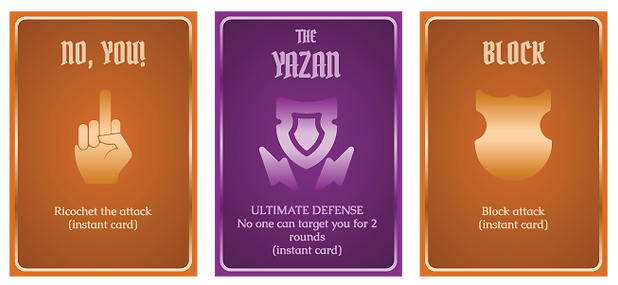
Instant Cards
Learning by playing
We started with many different ideas. Some concepts used prompts like Cards Against Humanity. Others were about conquering lands and taking control. After testing them, we saw they did not fit the “Threads of Connection” theme very well. So we looked at games with strong social mechanics and played Secret Hitler to understand how hidden roles, trust, and discussion work. Using that as inspiration, we built our own system. We made many paper prototypes, playtested with different people, and improved the game after each round.


A game about group behavior
The final game is fast, social, and full of tension. Players must talk, trust, lie, and sometimes betray each other. Every move on the influence scale shows how belief can change.


